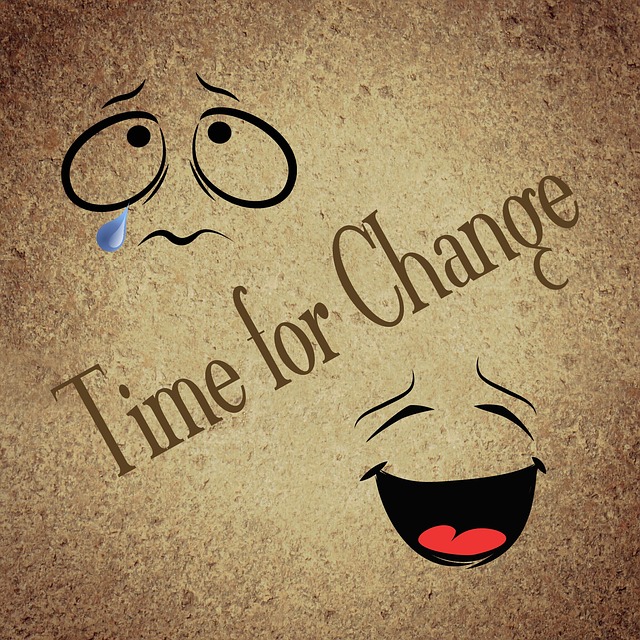
“A strong positive mental attitude will create more miracles than any wonder drug.” – Patricia Neal
Is This Real?
Yes. It’s Real. A positive mental attitude is a real thing. It’s a scientific thing, actually. Nearly all of the information contained on this page came from the scientific and education communities. References are included on the PositivityLinks page.
So how real is this? Really…
Negative thinking creates negative actions, which promote negative health: anger, sadness, crying, depression, pain, illness. Whereas positive thinking creates positive actions, which promote positive health… love, joy, laughter, happiness, pleasure, wellness. When we have a positive attitude, we are generally happy and we tend to do things that make us feel good in the long-term, we tend to do healthier things.
Our attitudes are habits, habitual ways of thinking that have been created from the feedback we receive from parents, friends, and society. These habits have been reinforced by our self-talk, the things we say to ourselves.
When something doesn’t turn out the way you expected or hoped it would turn out, what’s your response? If you think it will never be the way you hoped, you are correct. If you think it will eventually be the way you hoped, you are correct.
What you think, becomes your reality. Thomas Edison had a great way of looking at things. After thousands of unsuccessful attempts, he says, “I have not failed. I’ve just found 10,000 ways that won’t work.”
Positive Mental Attitude Definitions
So, what are we talking about here? We’re talking about being more optimistic and less pessimistic. But, what about being realistic? Is realism the same as pessimism? Some say yes. But the answer is no.
Let’s start with this: www.m-w.com defines realism as “concern for fact or reality and rejection of the impractical and visionary”.
My thoughts:
- Realism: Realism is a thought process that is neither negative or positive… it’s analytical, scientific. Realism acknowledges that some things are impractical based on what we know at that moment. And it acknowledges that some thoughts are visionary based on our current capabilities. Realism also acknowledges that knowledge and skills can and do change. Something impractical or visionary today could be practical and realistic in a week, month, or year.
- Pessimism/Optimism: When I use the word pessimism, what I mean is the inclination to emphasize negative thoughts, especially “all or none”, “never”, and “expect the worst” trains of thought. Pessimism and optimism, to me, are more of emotional states of mind that have nothing to do with realism. I think it’s perfectly natural for a realist to also be either an optimist or a pessimist.
To finish the m-w.com definition: “…rejection of impractical and visionary thoughts”. As mentioned earlier, the terms ‘impractical’ and ‘visionary’ are situational. One might say they are also opinion-based thinking, not fact-based thinking. In other words, “impractical” or “visionary” is a matter of a person’s knowledge and skills – it’s an opinion that changes from one person to the next.
This Versus That
What is impractical to you or I might seem very practical to someone else. Diodes were, in some peoples minds, an impractical device!! Can you imagine our society today without diodes? I’ll be that most theories are/were deemed “impractical” or “visionary”, until they were put into practice (making them “practical”, by m-w’s definition).
The point is that anything and everything could be considered impractical until someone puts it into practice… which makes it real, doable, practical. I would say that inventors are realistic optimists… they use science and analytical skills to examine/define problems, then they entertain seemingly impractical thoughts in order to find practical solutions.
To use the “glass” analogy: The optimist says, “the glass is half full”. The pessimist says, “the glass is half empty”. The realist says, “the contents of the glass are at the mid-point”.
Positive Mental Attitudes In Practice
There are many ways to create a positive mental attitude.
Our Positivity Exercises will help you with that.